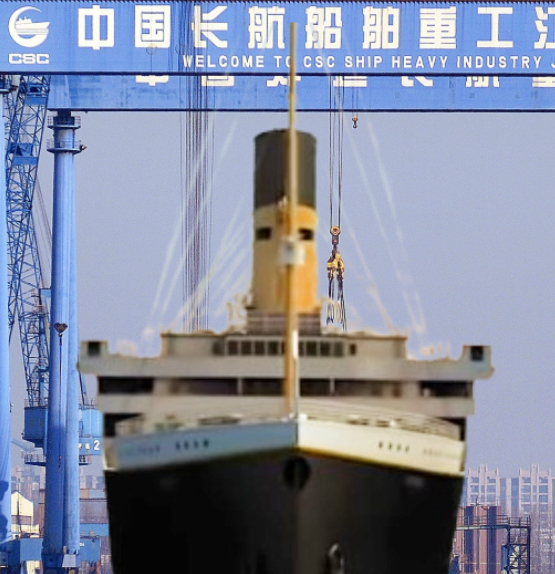
We still have no idea which shipyard will build Titanic II. In fact we do not even know which shipyards have been approached on behalf of the Blue Star Line in recent years, apart from Harland & Wolff, which was a failed approach.
We do know that China’s Jinling shipyard was the original choice at the beginning of the project, in 2012.
However, Palmer said in 2024, that ‘Europe’ had been recommended (by Tit. II Naval Architects ‘Deltamarin’, I assume) because the European yards had more experience building passenger ships.
One important question is: who is actually searching for a shipyard?
Palmer has said that he has his own Titanic II team of 40, in Australia. However, according to Deltamarin’s own announcement, its contract with Blue Star Line includes: (1) Designing and updating Titanic II (2) Project-management and consultancy work (3) And managing consultations with potential shipyards and developing the design together with the selected shipyard.
Deltamarin’, have further elaborated: “After completing the outline design, it would search for suitable shipyards around the world, select candidates with the owner, and send requests for quotation to them”.
As of 2026, Jinling deserves a closer look. This is because, Deltamarin re-established a very active commercial relationship with China Merchants Jinling in 2025:
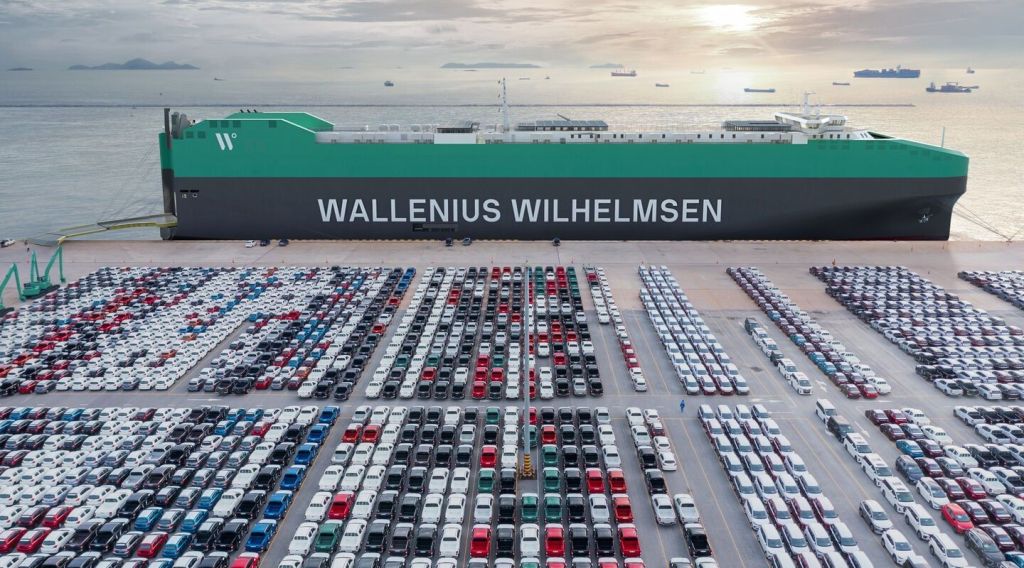
In February 2025, Deltamarin signed with China Merchants Jinling Shipyard (Jiangsu) for six large Wallenius Wilhelmsen car & truck carriers, including complete basic and detail design.
In June 2025, Deltamarin signed another contract with China Merchants Jinling Shipyard (Weihai) for six Grimaldi RoPax vessels. Those are particularly interesting because they’re passenger vessels, not just cargo ships. Deliveries are scheduled for 2028–2030.
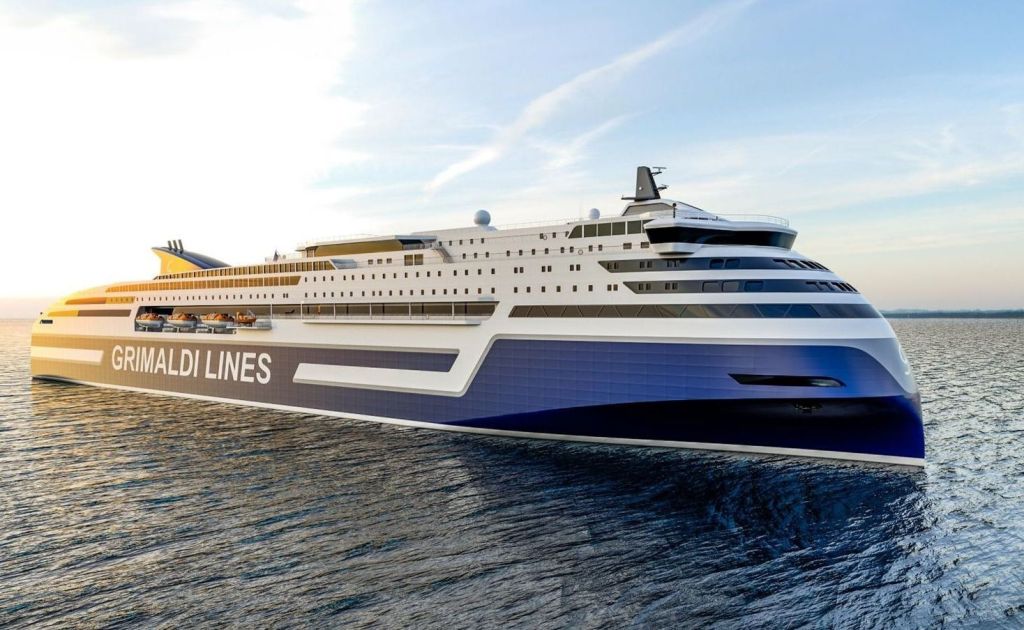
That means Deltamarin isn’t merely an old consultant that once worked with Jinling. It is actively doing major newbuild design work with the Jinling group right now.
And the Grimaldi contract is especially relevant to Titanic II because it involves passenger accommodation, RoPax operations and modern regulatory requirements.
Jinling could be kept in the background as a fallback even if Deltamarin initially recommended Europe.
In other words, the sequence could be: European yards approached → price/capacity problems → Chinese alternatives reconsidered → Jinling becomes viable again.
Further speculation:
Rauma Marine Constructions (RMC), Finland RMC is another very strong Deltamarin relationship, particularly for passenger ferries.
Deltamarin describes its relationship with RMC as a “strategic cooperation” and says the companies have a long cooperative relationship.
Deltamarin designed significant portions of several RMC-built ferries, including:
Hammershus
Aurora Botnia
MyStar (Tallink’s LNG shuttle)
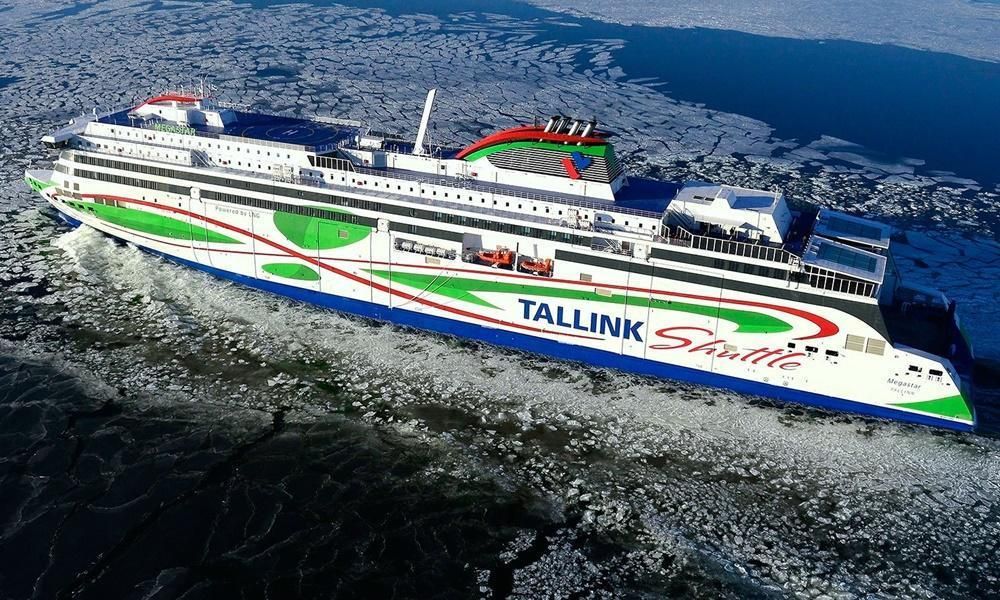
For MyStar, for example, Deltamarin provided detail design of the hull, machinery and electrical systems.
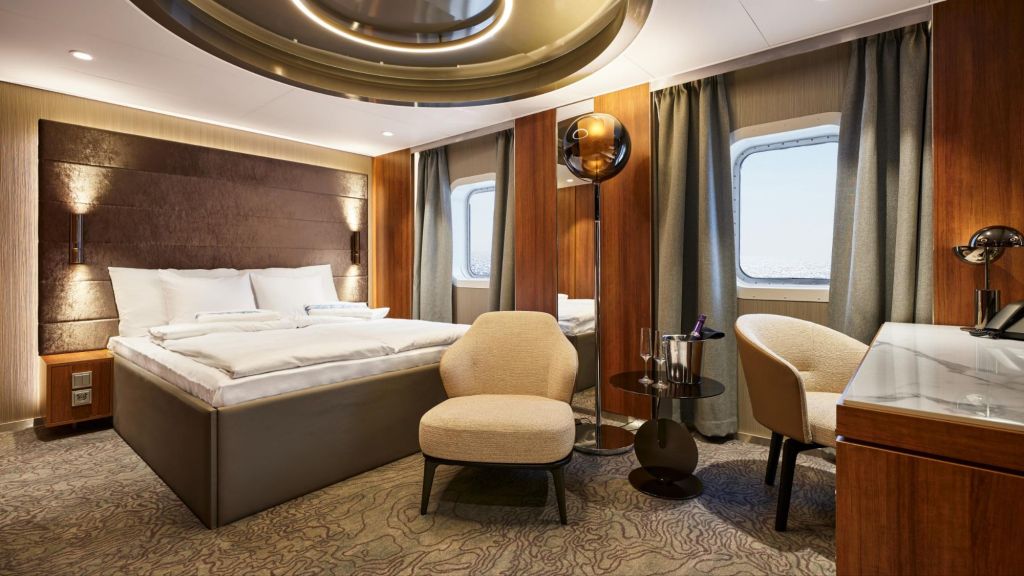
RMC is therefore appears to be a credible European candidate for building Titanic II, from a capability/ relationship standpoint. However, their drydock is just 260m long, yet Titanic II is designed to be 269m long.
This fact doesn’t automatically eliminate RMC. A vessel that size could potentially be constructed using block/section construction and launched through RMC’s heavy-duty launch arrangements, with final outfitting at the quays. RMC specifically advertises a heavy-duty launch ramp and semi-submersible-barge capability. However, this system has only been used by RMC for smaller vessels that the Titanic II.
Malcolm
 Titanic II News